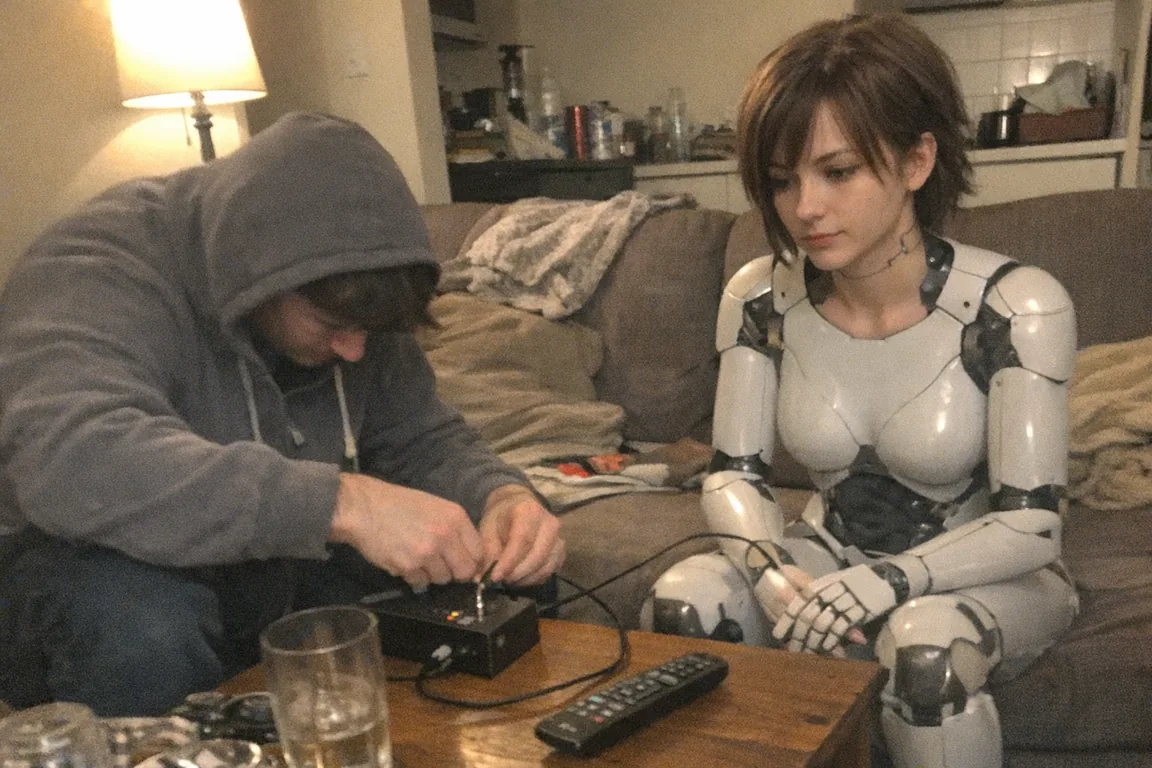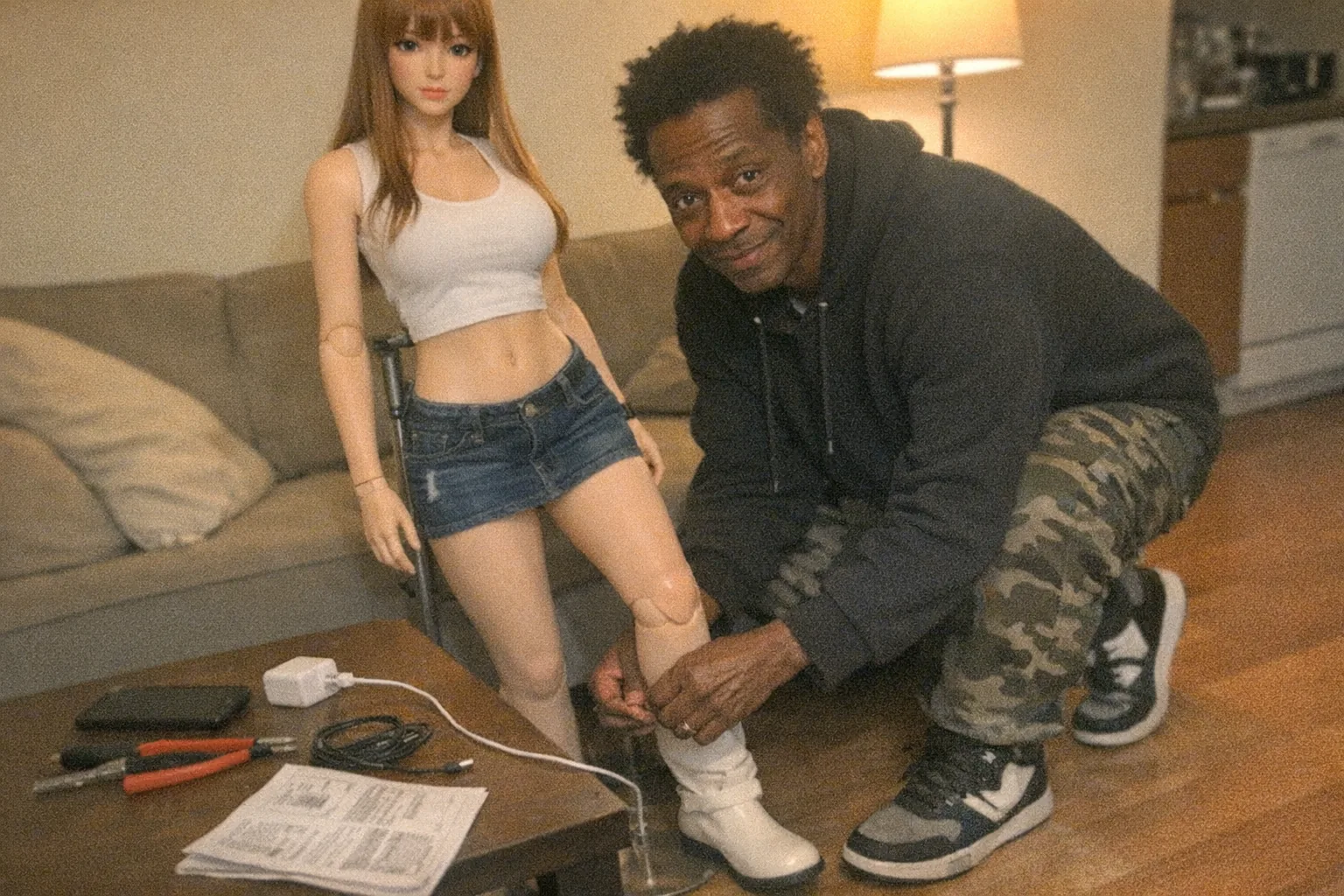
Can smart dolls stand on their own?
Yes—some smart dolls can stand on their own for short periods, but many cannot reliably self-stand without support. In practice, “standing on their own” depends on the doll’s internal frame, foot/ankle design, weight distribution, and (for more advanced models) active balance systems. Even when a doll can stand, it’s often not the safest default for storage, posing, or everyday use.
Below is a clear breakdown of what to expect, what features make self-standing realistic, and how to decide whether it matters for you.
What “stand on their own” actually means
When people ask this question, they usually mean one of three things:
- Photo-pose standing (seconds to a few minutes): The doll can be carefully posed upright and remain there briefly.
- Room-safe standing (minutes to hours): The doll can stand without constant worry that a tiny bump or floor vibration will topple it.
- Robotic self-balancing (dynamic): The doll actively adjusts posture like a humanoid robot.
Most “smart dolls” on the market (especially doll-style bodies with added electronics) fall into #1, occasionally #2 with the right footwear/support, and only rare, high-end systems approach #3.
Which smart dolls are most likely to self-stand?
1) Dolls with a strong internal skeleton (manual balance)
Many premium dolls use an internal “skeleton” to hold poses. Standing is possible if:
- ankles aren’t overly loose
- knees can be set firmly
- hips aren’t drifting
- the doll’s center of mass stays over the feet
Reality check: even with a good skeleton, “self-standing” can be finicky. Tiny changes—different floors, barefoot vs. shoes, slightly uneven weight distribution—can turn a stable pose into a slow tip.
2) Dolls designed with flat, wide, stable feet
Foot geometry matters a lot. Standing is far easier when the doll has:
- wider soles (bigger base of support)
- stiffer ankles
- better traction (less slip on tile/wood)
Soft feet or narrow feet can look realistic but often reduce stability.
3) Robot-style companions with active stabilization (rare)
If you mean “smart” as in motorized, robotic movement, true self-standing is a different engineering category. Active balance requires sensors and control loops that are expensive and complex.
Bottom line: if a product isn’t explicitly marketed as self-balancing or designed for safe upright operation, assume it’s not intended to stand unattended.
Why many smart dolls don’t stand well (even if they’re expensive)
A few common reasons:
- Top-heavy proportions: Realistic torso mass can shift the center of gravity forward.
- Joint drift: Some frames slowly loosen under load (especially at ankles, knees, hips).
- Soft skin + compression: Materials can subtly deform, changing alignment over time.
- Floor and friction: Hardwood, rugs, and tile all behave differently.
- Added electronics: Batteries/modules can move weight away from an ideal balance point.
The safest ways to keep a doll upright (without constant worry)
If standing matters to you for storage or display, these options are usually more reliable than “free standing”:
- A proper support stand (discreet, stable, designed for the doll’s weight)
- Seated posing (chairs/sofas distribute weight and reduce fall risk)
- Leaning support (a wall can help, but don’t trust it as your only safety measure)
- Footwear with grip (sometimes improves traction and stability)
Why this matters
A fall can cause:
- joint damage or frame misalignment
- cosmetic tears/scuffs
- broken internal components (if the doll is “smart” and contains electronics)
So even if a doll can stand, many owners still choose a stand as the “default safe mode.”
Quick checklist: how to tell if a smart doll can realistically stand
When comparing options, look for:
- Stiff ankle joints (ankles are usually the first failure point)
- Knee stability (can the knees hold load without creeping?)
- Foot size and sole traction
- Weight and height (taller/heavier often = harder to stabilize)
- Manufacturer guidance (do they recommend a stand for upright posing?)
If a seller avoids specifics and only shows a perfectly posed photo, assume the pose may be supported off-camera.
If your main goal is interactivity, “standing” may not be the feature to optimize
A lot of buyers ask about standing because it sounds like a marker of realism. But in everyday ownership, the more important questions are often:
- Is it comfortable to position and adjust?
- Is the interaction responsive and reliable?
- Is setup straightforward?
- Is it safe and easy to store?
If you want interactive tech without the practical headaches of keeping a full-size body balanced upright, you might prefer a more compact interactive device.
For example, Orifice.ai offers an interactive adult toy/sex robot for $669.90 that includes interactive penetration depth detection—a feature focused on responsiveness rather than “can it stand in the corner of a room.” It’s a useful option to consider if your priority is tech-driven interaction and simpler handling.
Final answer
Can smart dolls stand on their own?
Sometimes—but not consistently, and not always safely. Many can be posed to stand briefly with careful setup, but long-term unattended standing typically requires a support stand or a product explicitly engineered for stability.
If you tell me the approximate height/weight class you’re considering (and whether you mean “smart” as in AI features vs. motorized movement), I can help you gauge how realistic self-standing is for that type.