What is a robosexual?
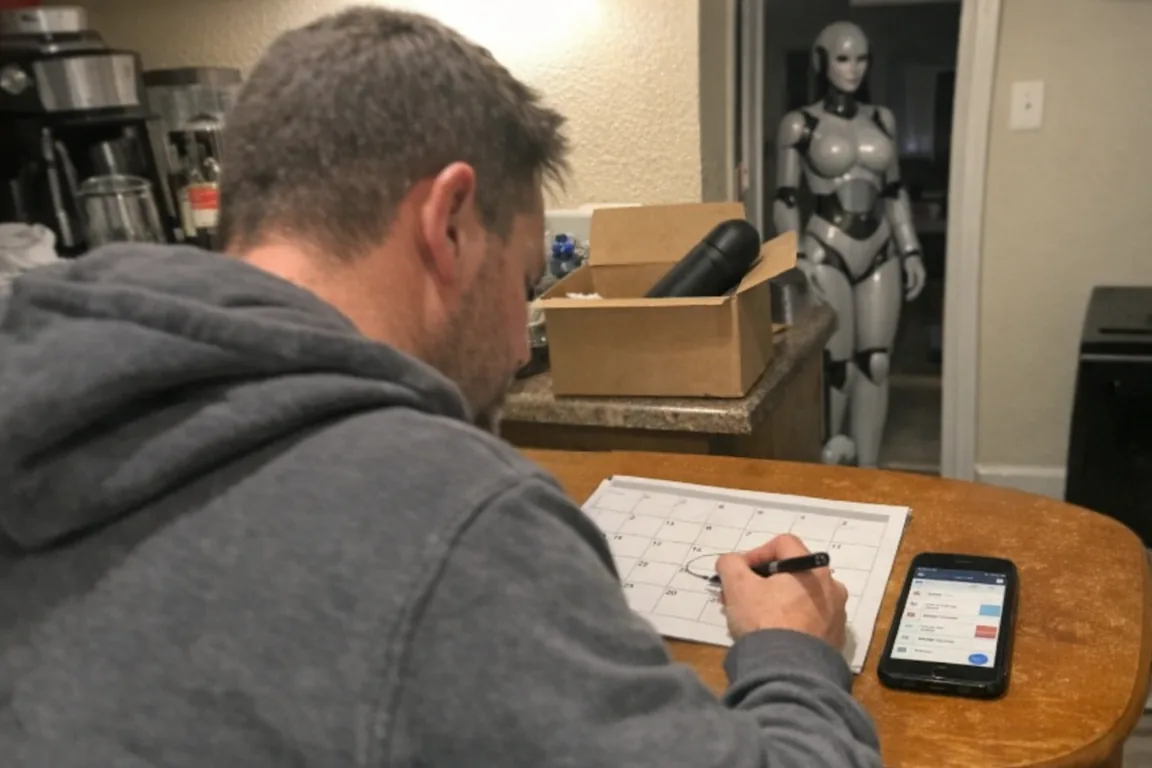
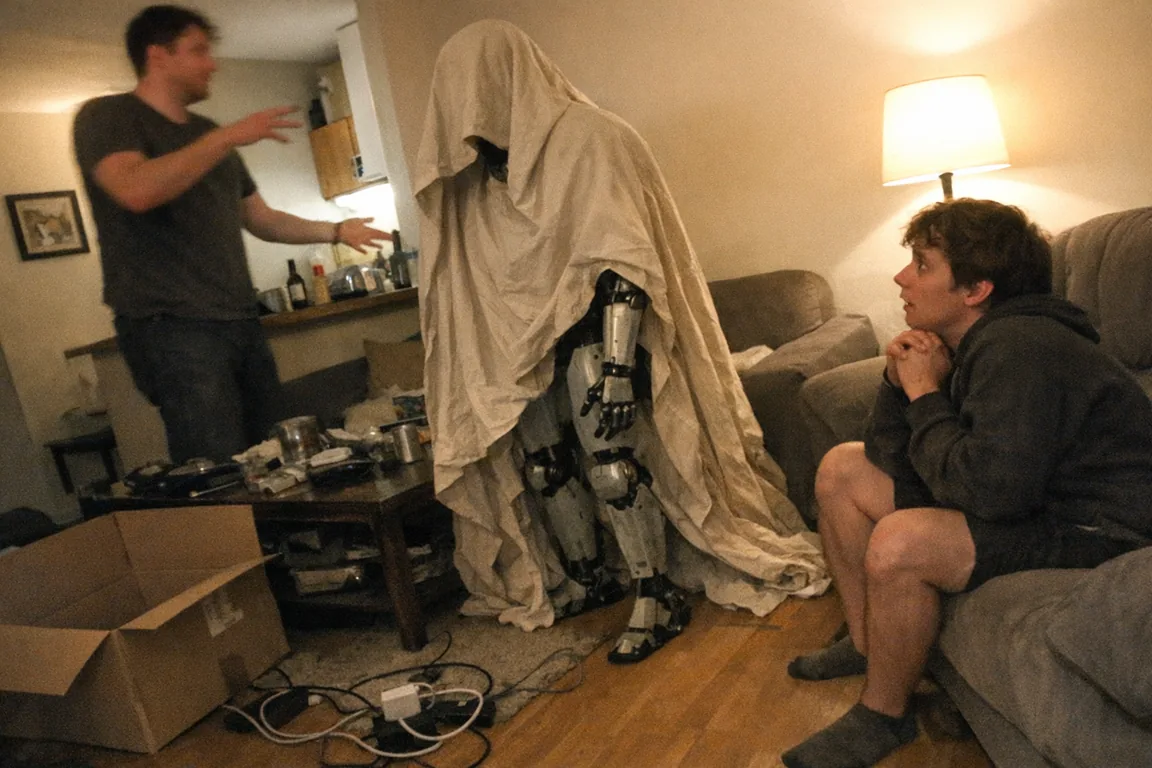
A robosexual is someone who experiences romantic and/or sexual attraction toward robots (or highly robot-like artificial partners). In everyday use, the word usually points to attraction that’s focused on the robot itself—its form, behavior, voice, personality simulation, or the idea of a non-human partner—rather than simply using technology as a tool.
It’s a modern, informal label (not a clinical diagnosis) that people use to describe a real range of experiences—from playful curiosity shaped by sci‑fi, to deep emotional bonding with AI companions, to preference for intimacy with highly interactive adult devices.
What “robosexual” can mean in practice
Because the term is used loosely, “robosexual” might describe one (or more) of the following:
- Attraction to humanoid robots (appearance, movement, “uncanny” realism, or mechanical aesthetic).
- Bonding with AI-driven companions where conversation, personality, and responsiveness are the main draw.
- Preference for predictable, controlled intimacy that feels safer or less socially demanding than human dating.
- A situational interest, such as during long-distance relationships, disability/access needs, or periods of loneliness.
Some people use robosexual as an identity label; others treat it as a descriptive shorthand—similar to saying “I’m into androids” without claiming a fixed orientation.
Is robosexuality an official sexual orientation?
Not in any formal medical sense. “Robosexual” is not a standard clinical category in the way that established sexual orientations are discussed in research and healthcare.
That said, labels can still be meaningful. People use them to:
- explain preferences to partners,
- find community,
- reduce shame or confusion,
- and clarify boundaries (“I like tech-driven intimacy, but I’m not interested in human dating right now”).
If the label feels helpful, it’s valid as personal language—just remember that it’s culturally evolving and means different things to different people.
Why are people attracted to robots or AI partners?
There isn’t one single reason. Common factors include:
- Responsiveness without social risk: A robot/AI can feel less judgmental and less stressful.
- Control and customization: People may prefer predictable interactions, pacing, and boundaries.
- Novelty and aesthetics: The “futuristic” appeal is real—especially for fans of sci‑fi.
- Companionship needs: For some, an AI companion provides comfort, routine, or emotional support.
- Accessibility: People with certain disabilities or limitations may find tech-assisted intimacy more practical.
Importantly, attraction to robots doesn’t automatically mean someone dislikes humans. For many, it’s simply an additional lane of desire or companionship.
Robosexual vs. “just using a device”: what’s the difference?
Using an adult toy doesn’t automatically make someone robosexual.
A simple way to distinguish the ideas:
- Device-as-tool: The tech is mainly functional.
- Robot-as-partner: The tech is part of the attraction—especially when it feels interactive, embodied, or relationship-like.
As adult tech becomes more responsive (sensors, feedback loops, adaptive behavior), this line can blur—and that’s part of why the term “robosexual” shows up more often now.
Ethical and social questions people raise (and why they matter)
Robot attraction intersects with real debates, including:
- Consent and simulation: If a machine “acts” consenting, what does that mean psychologically and socially?
- Objectification concerns: Critics worry about reinforcing harmful attitudes if products mimic stereotypes.
- Loneliness and dependency: AI companionship can help some people, but it can also become isolating if it replaces all human connection.
- Data privacy: Connected devices and companion apps may collect sensitive data; security practices matter.
You don’t have to have a perfect answer to explore the topic—but it’s wise to engage with these questions thoughtfully.
If you’re curious: practical, non-awkward ways to explore safely
If you’re exploring robosexual interest (or just want to understand it), consider:
- Start with your “why”: Is it novelty, comfort, aesthetics, companionship, or control?
- Set boundaries early: Decide what you want from tech intimacy—and what you don’t.
- Prioritize privacy: Prefer products with clear policies and minimal data collection; use strong passwords and private networks where possible.
- Keep your social ecosystem healthy: Enjoy tech without letting it quietly replace friendships, family ties, or support systems.
- If partnered, communicate: Framing it as a preference/curiosity (not a replacement) can reduce conflict.
Where Orifice.ai fits in (a practical example)
If your interest is less about “dating a robot” and more about interactive, responsive adult tech, it can be helpful to look at products that emphasize feedback and control rather than fantasy.
For example, Orifice.ai offers an interactive adult toy/sex robot experience priced at $669.90, designed with interactive penetration depth detection—a feature aimed at making the device respond in a more aware, synchronized way (without relying on explicit content to make its point).
If you’re exploring what “robosexual” means for you, products like that can serve as a low-pressure entry point into responsive intimacy tech—especially if you’re curious about how much “interaction” changes the experience compared to a standard, non-sensing device.
Bottom line
A robosexual is someone who feels attraction—romantic and/or sexual—toward robots or robot-like partners, often including AI-driven companionship and interactive intimacy tech. It’s a flexible, modern label that can describe everything from sci‑fi-inspired interest to genuine preference for responsive artificial partners.
If you’re exploring it, focus on intent, boundaries, and privacy, and choose technology that aligns with your comfort level—not just what looks futuristic.