Realbotix robots, in plain English
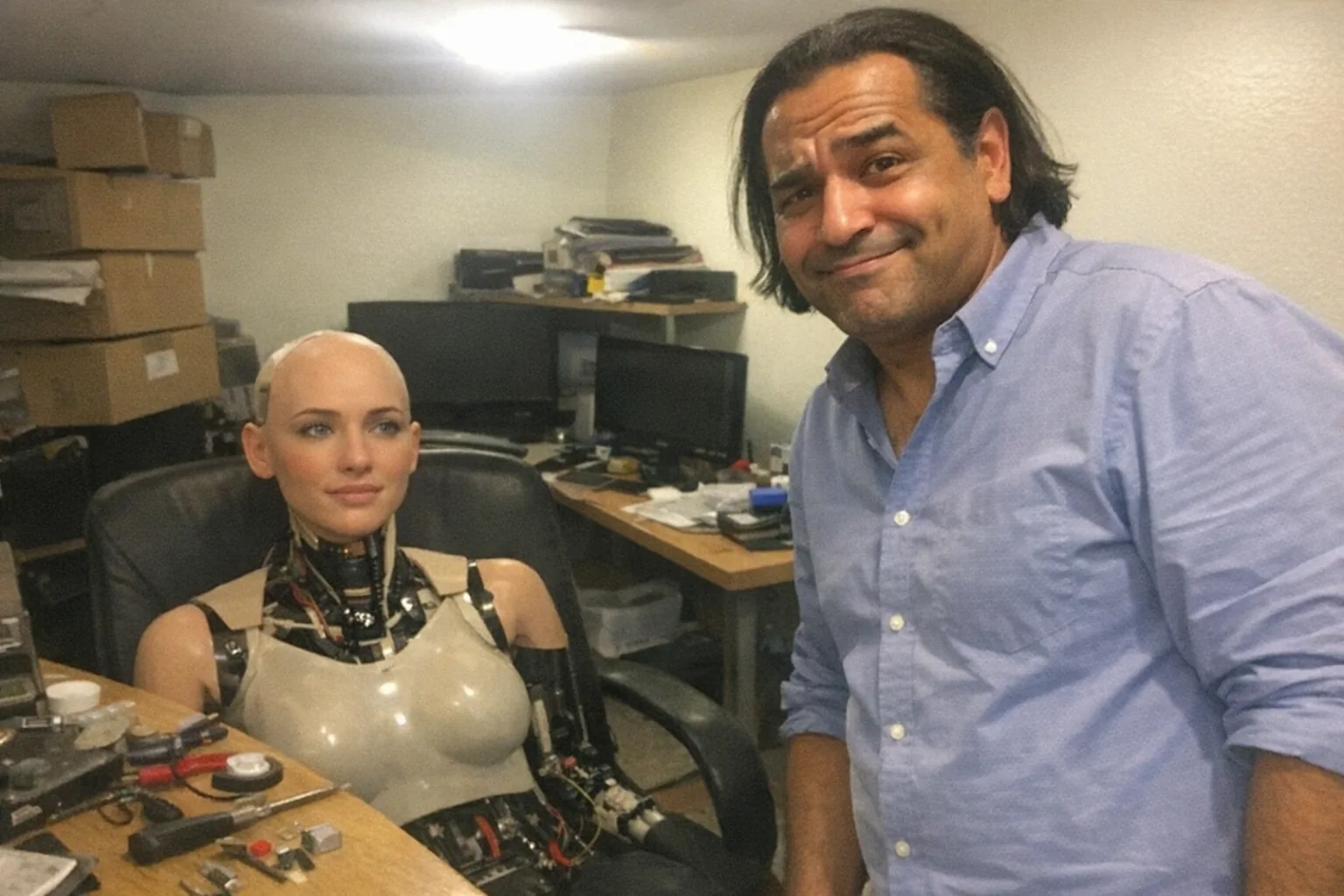
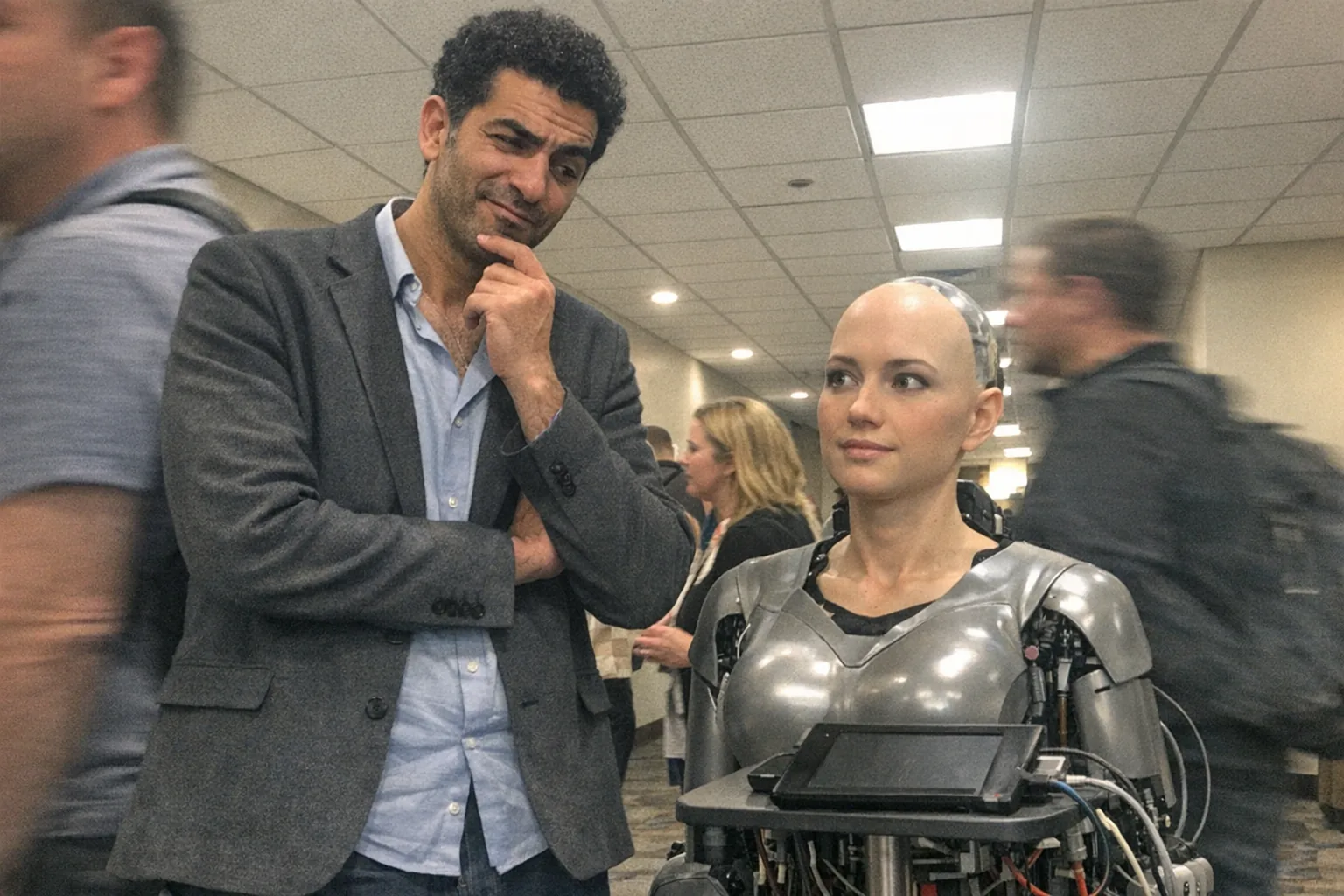
Realbotix robots are high-end, modular humanoid robots built for human interaction—think expressive faces, conversational AI, and (in some configurations) vision features like face tracking and recognition. They’re positioned for companionship, entertainment, events, and customer-facing roles, rather than household chores like cooking or cleaning. (realbotix.com)
Below is what they can do—organized by capability—plus the practical limits you should expect.
1) Hold conversations (and swap the “brain” behind the conversation)
Realbotix markets its robots as AI-agnostic, meaning the hardware is designed to plug into different AI platforms rather than being locked to a single assistant. (realbotix.com)
On the software side, Realbotix describes a Robot Controller that provides access to AI features and supports integrating preferred language models via an API (their materials mention providers and locally hosted models as options). (realbotix.com)
What this means in practice: - You can use the robot as a physical interface for a conversational system (customer-service scripts, an “event character,” or a companion persona). - Conversation quality will depend heavily on the model you connect and how you configure it (personality, guardrails, memory rules, etc.). (realbotix.com)
A note on language support (it’s evolving)
Realbotix’s FAQ notes a limitation that their AI currently supports conversation exclusively in English due to lip-sync constraints, but the company has also publicly discussed broader multilingual capabilities in other contexts (e.g., exhibitions/announcements). Treat multilingual support as configuration- and timeline-dependent, and confirm what’s available in the specific build you’re considering. (realbotix.com)
2) Make lifelike facial expressions (the “wow” factor)
A big part of the Realbotix pitch is facial expressiveness: - The company says it can replicate faces with 14+ movable points to create multiple expressions. (realbotix.com) - Its B‑Series robotic bust is described as being powered by 17 motors / 17 degrees of freedom, aimed at subtle expressions. (realbotix.com)
Why it matters: expressive micro-movements (eyes, mouth, cheeks) are what make interactions feel more natural in person—especially in demos, events, and “meet-and-greet” use cases.
3) Recognize faces, track people, and understand scenes (on supported systems)
Realbotix describes cameras embedded in the eyes and promotes a vision system with features like: - Face recognition (identify known people) - Face tracking (maintain attention/engagement) - Object recognition and scene detection (basic environmental awareness)
These capabilities are discussed as part of its Robotic AI Vision System announcements and product positioning. (realbotix.ai)
Practical implication: the robot can behave less like a talking mannequin and more like something that notices who is in front of it and reacts accordingly (useful for greeting, remembering repeat visitors, or tailoring a scripted experience). (realbotix.ai)
4) Be customized (and re-customized) with modular parts
Realbotix leans hard into modularity—not just “pick a look at checkout,” but swap components over time.
They describe: - Interchangeable/customized faces (realbotix.com) - Interchangeable/customized bodies using modular body panels intended to enable quicker character changes (realbotix.com) - A modular system highlighted in CES-era materials as helping with maintenance and transforming the platform into different characters (businesswire.com)
Why it matters: - For businesses, one robot platform can potentially be “re-skinned” for different campaigns. - For individuals, it supports longer-term ownership without feeling locked into one presentation.
5) Move—mostly in the face/upper body (and sometimes via wheels)
Realbotix’s lineup is commonly described in tiers:
- B‑Series (bust): expressive head/face focused. (realbotix.com)
- M‑Series (modular body): described as stationary from the waist down, with upper-body robotic capabilities and 39 degrees of freedom; positioned as travel-friendly (packable). (realbotix.com)
- F‑Series (full-bodied): includes a motorized wheeled base (not walking) with a quoted 4–8 hours of battery life and 44 degrees of freedom. (realbotix.com)
Can Realbotix robots walk?
Realbotix explicitly says they cannot walk. Even on the full-bodied model, movement is described as a remote-controlled wheeled base, not bipedal walking. (realbotix.com)
6) Remember interactions and play a “character” (companion + performance use)
Realbotix promotes the idea that its custom AI can learn and remember previous interactions, supporting more continuous, relationship-like experiences (and more personalized repeat engagements at events). (realbotix.com)
They also claim the ability to create robots that replicate a historical figure or celebrity, or otherwise embody a client-defined concept. (realbotix.com)
7) Show up in real business use cases (not just novelty demos)
Realbotix positions its robots for: - Media/entertainment (museums, conferences, amusement settings) (realbotix.com) - Corporate services (greeting, engagement, training/communications) (realbotix.com) - Healthcare-oriented contexts as a potential application area for recognition + contextual assistance (as described in vision-system materials) (realbotix.ai)
What Realbotix robots don’t do (so expectations stay realistic)
- They don’t walk (no bipedal locomotion). (realbotix.com)
- Many “helper robot” tasks (laundry, cooking, whole-house tidying) generally require advanced manipulation and autonomy; Realbotix’s public materials emphasize interaction, expression, and engagement first. (realbotix.com)
Buying/decision checklist: who are they for?
Realbotix robots make the most sense if your priority is: 1. Human-facing interaction (events, demos, companionship-style conversation) 2. Realistic expressiveness (faces/eye contact/attention) 3. Customization and modularity over time
Also note: - Realbotix describes lead times like delivery “as soon as 12 weeks” (varies by configuration). (realbotix.com) - They also describe subscription-style elements for controller features and ongoing updates/maintenance options. (realbotix.com)
A practical alternative for interactive adult tech (without the $20K+ jump)
If what you actually want is interactive adult tech with modern sensor feedback—without investing in a premium humanoid platform—consider exploring purpose-built devices.
For example, Orifice.ai offers a sex robot / interactive adult toy priced at $669.90, including interactive penetration depth detection (useful if you care about responsive, measurable interaction rather than full humanoid expressiveness).
Bottom line
Realbotix robots can look convincingly human, emote with facial expressions, converse using connected AI models, and (in supported builds) see and recognize people/objects—all while being modular enough to change faces/bodies for different characters and use cases. (realbotix.com)
They’re best thought of as social/interaction robots, not walking household assistants—and if your needs are more about interactive adult hardware at a realistic price point, it’s worth comparing them with specialized options like Orifice.ai.