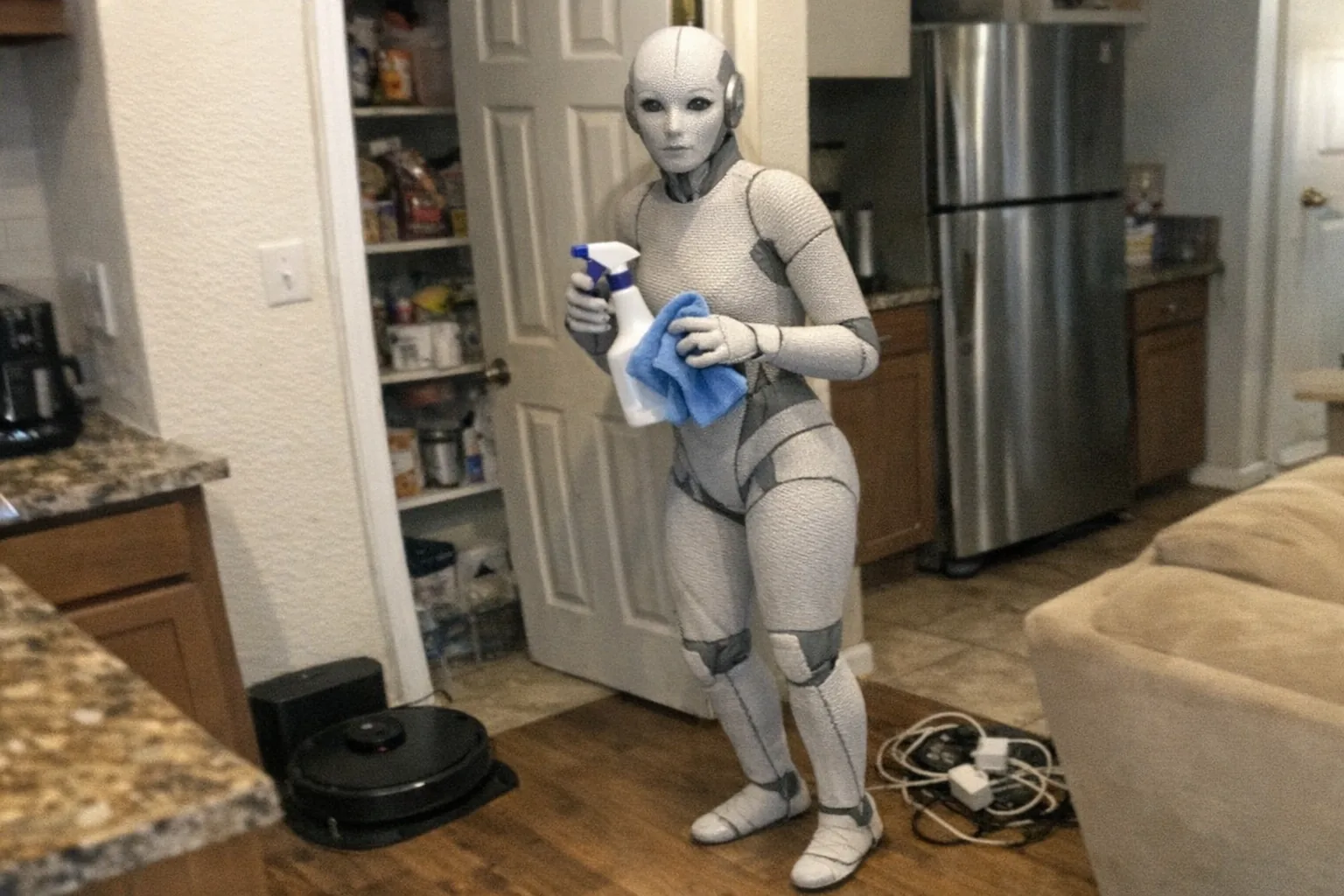
How realistic are silicone dolls?
Silicone dolls can be surprisingly realistic in appearance and surface feel, especially high-end models with detailed sculpting and professional paintwork—but they’re still not “human-realistic” in the full, everyday sense. The biggest gap is usually movement, warmth, and micro-expressions (the tiny changes that make real people feel alive).
If you’re wondering whether a silicone doll will feel “real,” it helps to break realism into categories—because a doll can be very realistic in one way (photo realism) and noticeably artificial in another (handling, posture, temperature).
What “realistic” actually means (and why expectations matter)
When people ask about realism, they typically mean a mix of:
- Visual realism (at a glance / in photos) – face sculpt, skin texture, proportions, makeup, hairline.
- Tactile realism (to the touch) – softness, skin-like drag, subtle texture, firmness variation.
- Body realism (weight & physics) – distribution of weight, how it “sits,” compression when held.
- Functional realism (pose & stability) – internal skeleton quality, range of motion, natural posture.
- “Presence” realism (warmth, responsiveness) – heat, interaction, feedback, personality.
Most silicone dolls score highest on #1 and #2, and lowest on #5.
Where silicone dolls can feel impressively lifelike
1) Skin detail and finish
High-quality silicone can hold fine textures (pores, subtle wrinkles, nail beds) that read as realistic at normal distance. With good paint layering (mottling, blushing), the result can be convincingly “skin-like” under typical indoor lighting.
2) Surface feel (within limits)
Silicone often feels smooth, clean, and consistent. Some users prefer it over other materials because it’s typically less oily and easier to keep feeling “fresh” with proper care.
3) Photo realism (the “camera test”)
In controlled angles and lighting, premium dolls can pass a quick glance—especially if they have: - Well-made eyes - A believable wig/hairline - Natural-looking eyebrows - Good makeup application
This is why product photos can look shockingly real—because they’re optimized for the “camera test.”
Where silicone dolls are less realistic
1) Temperature and warmth
A silicone doll is usually cooler than human skin and takes time to warm up. This is one of the most immediate “this isn’t a person” cues.
2) Weight and handling
Realism can improve with realistic weight—but that also means the doll may be heavy and awkward to move, which can feel less natural in practice.
3) Movement and micro-adjustments
Humans constantly make tiny posture corrections. Dolls don’t—so even with a good internal skeleton, poses can look slightly “placed.” Over time, you may notice: - Stiffer transitions between poses - Slightly unnatural joint behavior - Less “alive” body language
4) Uncanny valley details
Even excellent dolls may show tells up close: - Seam lines - Slightly uniform skin tone under harsh light - Eyes that don’t track naturally - Hair that sits like a wig (because it is)
If you’re sensitive to uncanny valley effects, these small cues can outweigh the larger wins.
Silicone vs. other materials (quick context)
You’ll often see silicone compared with TPE (thermoplastic elastomer). In general terms: - Silicone tends to be more durable, less prone to staining, and easier to keep clean-feeling, with crisp detail. - TPE is often softer and more “squishy,” which some people interpret as more body-like, but it can require more careful handling and may be more stain-prone.
Either can look realistic; the “most realistic” choice depends on what you personally prioritize: visual detail, softness, durability, or maintenance.
What actually determines realism (a buyer’s checklist)
If you’re shopping (or comparing options), focus on these reality-makers:
Build quality and artistry
- Sculpt accuracy (especially face proportions)
- Paint quality (multi-layered, not flat)
- Symmetry (small asymmetries can look more human)
Hair and eyebrows
- A better wig/hairline can improve realism more than many body upgrades.
Skeleton and joints
- Can it hold natural poses without looking forced?
- Does it stand/sit realistically (within the manufacturer’s limits)?
Skin tone and finish in real lighting
- Ask for unfiltered customer photos (not just studio shots).
Maintenance reality
Realism isn’t just day-one; it’s month-six. - How easy is it to clean and store? - Does the surface stay pleasant-feeling? - Are you comfortable with routine upkeep?
If what you want is “responsiveness,” consider interactive alternatives
A silicone doll is fundamentally a non-responsive object. If your definition of “realistic” includes feedback—even simple, device-level responsiveness—an interactive adult toy can feel more convincing than a perfectly sculpted but passive doll.
For example, Orifice.ai offers a sex robot / interactive adult toy for $669.90 that includes interactive penetration depth detection—a feature aimed at making experiences feel more responsive and less “static” than traditional products.
That doesn’t replace the visual realism of a full-size silicone doll, but it does address one of the biggest realism gaps: interaction.
So, how realistic are silicone dolls—really?
- Very realistic in photos and at a glance (especially premium models).
- Moderately realistic to the touch, depending on material choice and finishing.
- Less realistic in warmth, movement, and “presence.”
If you want the best chance at satisfaction, decide upfront which kind of realism matters most to you: - If you want visual realism, prioritize artistry, eyes, hair, and paint. - If you want feel realism, compare material softness, weight, and care requirements. - If you want interaction realism, consider devices designed for responsiveness (like Orifice.ai’s depth-detection approach).
Practical next step
Before buying, look for real customer photos/videos, read about maintenance, and be honest about whether you’re after appearance, touch, or responsiveness—because each points to a different “most realistic” choice.