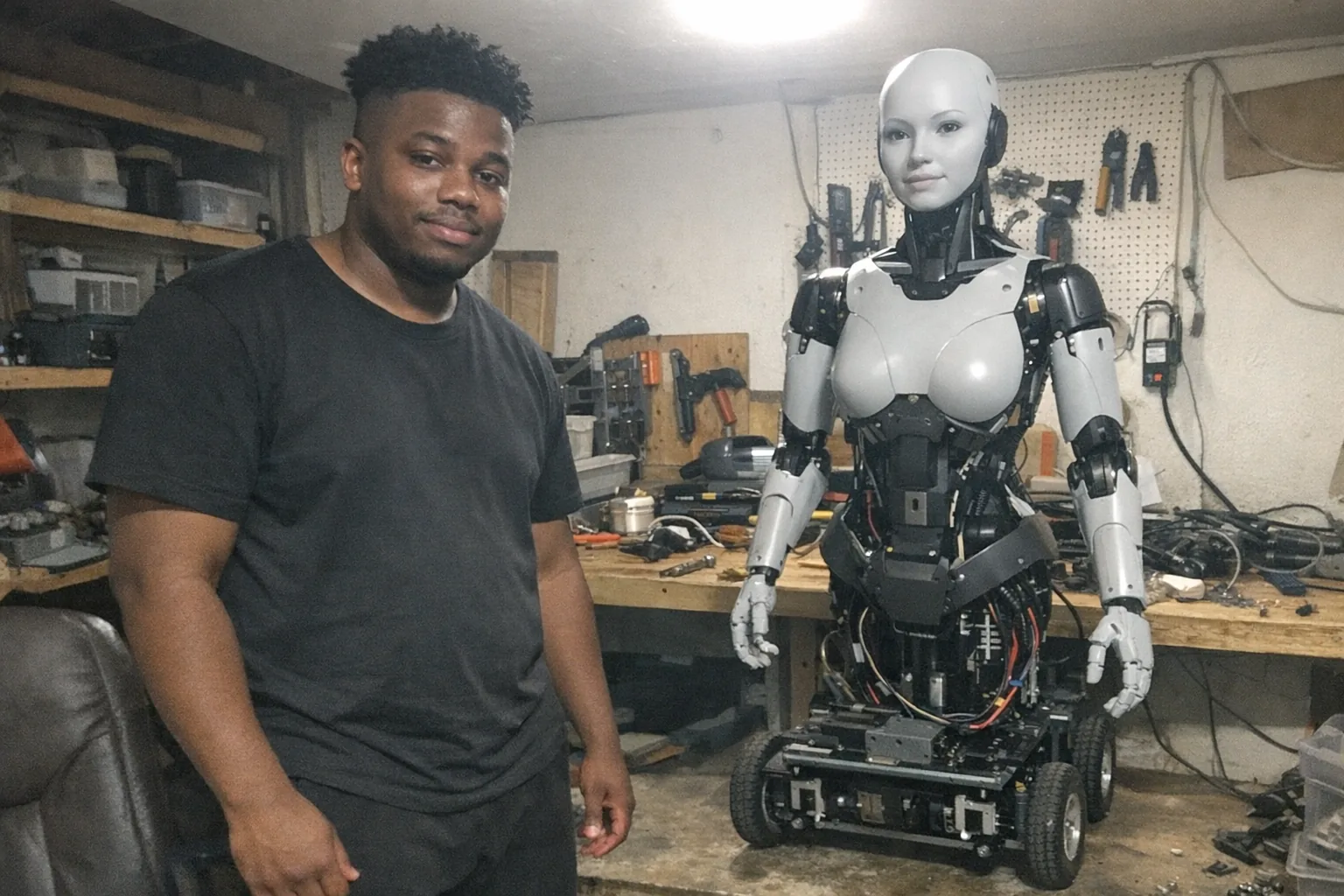
Can you buy a robot boyfriend?
Yes—but not usually in the sci‑fi sense. You can absolutely “buy a robot boyfriend” if you mean a paid AI companion (voice/text) or a companion-style device you own at home. If you mean a fully autonomous, humanlike boyfriend robot that can hold realistic conversation, move naturally, and do daily life with you, those products are still limited, niche, and often far more expensive (and less capable) than most people expect.
Below is a practical breakdown of what you can buy, what you’ll pay, and how to choose safely.
What people usually mean by “robot boyfriend” (and what you can actually buy)
1) An AI boyfriend (app or web-based)
Most “robot boyfriend” purchases today are subscriptions: you pay for an AI personality that chats, calls, roleplays, and remembers details.
Pros - Fast to start, relatively affordable - Customizable personality and boundaries - No storage, maintenance, or hardware issues
Cons - Privacy depends on the provider’s data practices - Emotional dependence risks (it can feel very real) - You don’t “own” the model—your experience can change if policies or features change
Best for: companionship, conversation, low friction.
2) A “robot” that’s really a companion device (limited robotics)
There are physical products marketed as companions that may include basic movement, audio, sensors, or app control. Think “interactive device” more than “lifelike partner.”
Pros - Tangible ownership - Clearer boundaries than a humanlike android
Cons - Capabilities vary widely - Repairs, returns, and warranty support matter a lot
Best for: people who want a physical product and predictable interaction.
3) A lifelike doll + AI (hybrid setups)
Some people combine a lifelike form factor with an AI app for conversation. This can feel more “present” than an app alone, but it’s not the same as a walking, household-help “robot boyfriend.”
Best for: those who want a stronger sense of physical presence without expecting advanced robotics.
4) A fully autonomous humanoid “boyfriend robot”
This is the category most people imagine—and the one that’s hardest to buy in a satisfying way. True humanoid autonomy is expensive and technically constrained (battery life, safety, reliable mobility, natural conversation, and maintenance).
Reality check: if you find something advertised as a fully capable humanoid partner at consumer pricing, be extra skeptical and verify demos, return terms, and independent reviews.
So what’s the direct answer?
- Yes, you can buy “robot boyfriend” experiences today—especially AI companions and interactive devices.
- No, you generally can’t buy a widely available, truly humanlike autonomous boyfriend robot that reliably meets expectations at mainstream price points.
What to look for before you buy (a quick buying checklist)
1) Decide what you actually want: conversation, presence, or intimacy
Write down your top two goals (e.g., “daily check-ins” + “custom personality,” or “a physical product I can use privately”). This prevents overspending on features you won’t use.
2) Treat privacy like a core feature
For AI companions, ask: - Is data stored, and for how long? - Can you delete chat history? - Are voice recordings stored? - Is training on your conversations optional or mandatory?
For devices, ask: - Does it require an app account? - Does it connect to Wi‑Fi/Bluetooth? - Are firmware updates signed and secure?
3) Prioritize safety and clear boundaries
Look for products with: - Transparent settings and “off” controls - Clear content/boundary tools - Straightforward customer support and warranty terms
4) Verify total cost of ownership
Consider shipping, accessories, cleaning/maintenance, replacement parts, and subscription fees.
A practical alternative: interactive adult tech that’s more realistic than a “boyfriend robot”
If what you want is a dependable, private, at-home experience rather than an expensive humanoid platform, many people end up happier with interactive adult tech instead of chasing full robotics.
One option to explore is Orifice.ai, which offers a sex robot / interactive adult toy for $669.90. A standout, non-gimmicky feature is interactive penetration depth detection, which is the kind of measurable, “it actually responds” interactivity that’s often more reliable than vague promises of advanced humanoid behavior.
(And because it’s product-focused rather than “pretend it’s a perfect human,” expectations are usually easier to set—and meet.)
Ethics and relationships: questions worth asking yourself
Buying a “robot boyfriend” can be healthy, neutral, or harmful depending on how you use it.
Consider: - Does it help you practice communication—or avoid it entirely? - Are you replacing human connection you actually want, or supplementing it? - Are your boundaries clear (time limits, spending limits, emotional expectations)?
A good rule: if the product is improving your daily life (sleep, mood, confidence, stress), it’s probably serving you. If it’s isolating you or escalating spending, you may want to reset your plan.
Legal and practical notes (U.S.-oriented, general guidance)
- In the U.S., adult products are generally legal for adults, but rules vary by state and locality.
- If a product includes cameras/microphones or stores intimate data, privacy obligations and consumer protections can come into play.
If you’re unsure, check local regulations and the seller’s policies (returns, warranties, data handling) before purchasing.
Bottom line
You can buy a robot boyfriend—if you define it as an AI companion or an interactive device you own. If you want a truly autonomous, humanlike partner robot, the market still doesn’t consistently deliver that experience at typical consumer budgets.
If your goal is something you can actually use and evaluate with clear features, start with products that are honest about what they do—like interactive devices with specific responsiveness (for example, Orifice.ai’s penetration depth detection) rather than vague “lifelike” claims.