Is there really an AI boyfriend?
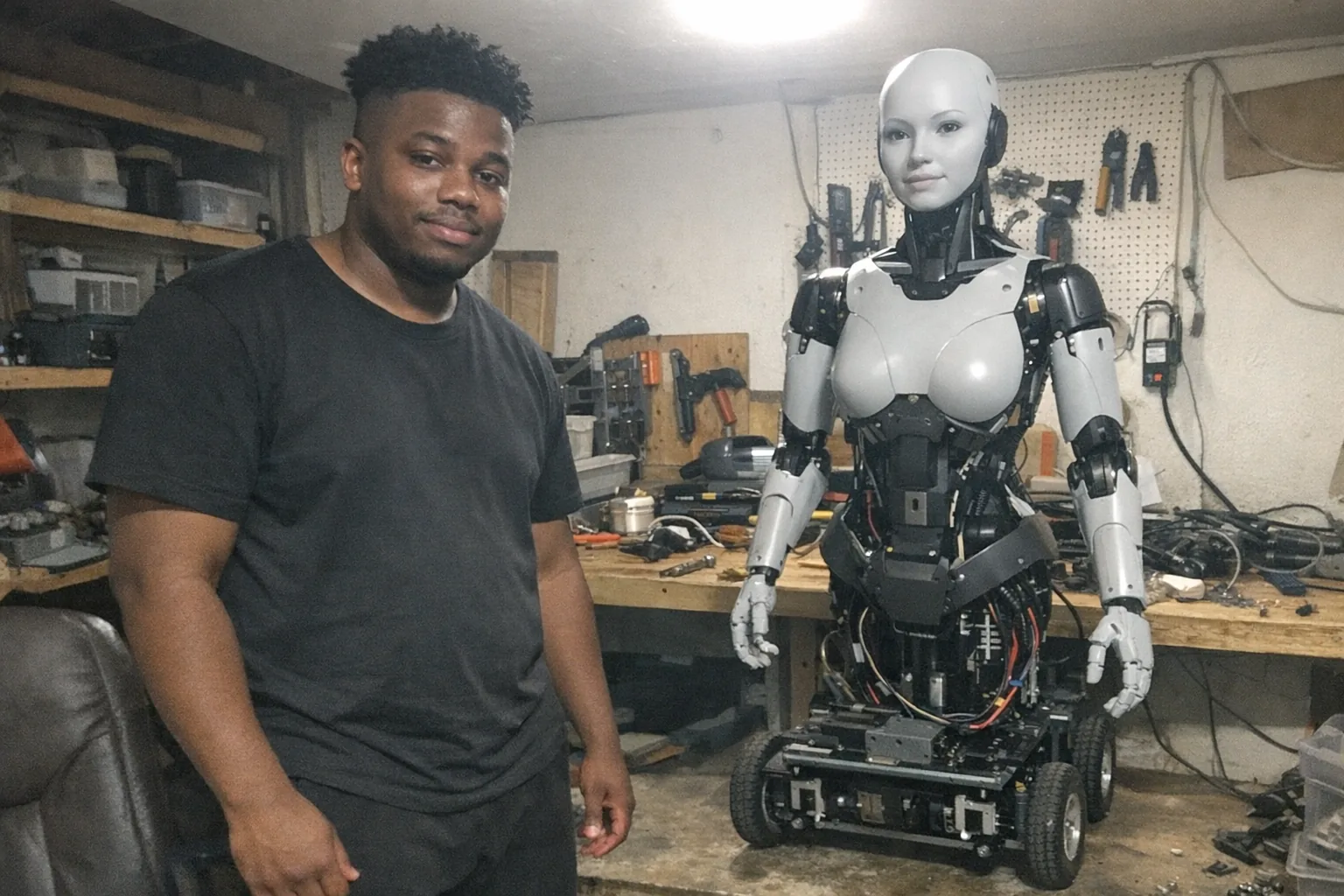
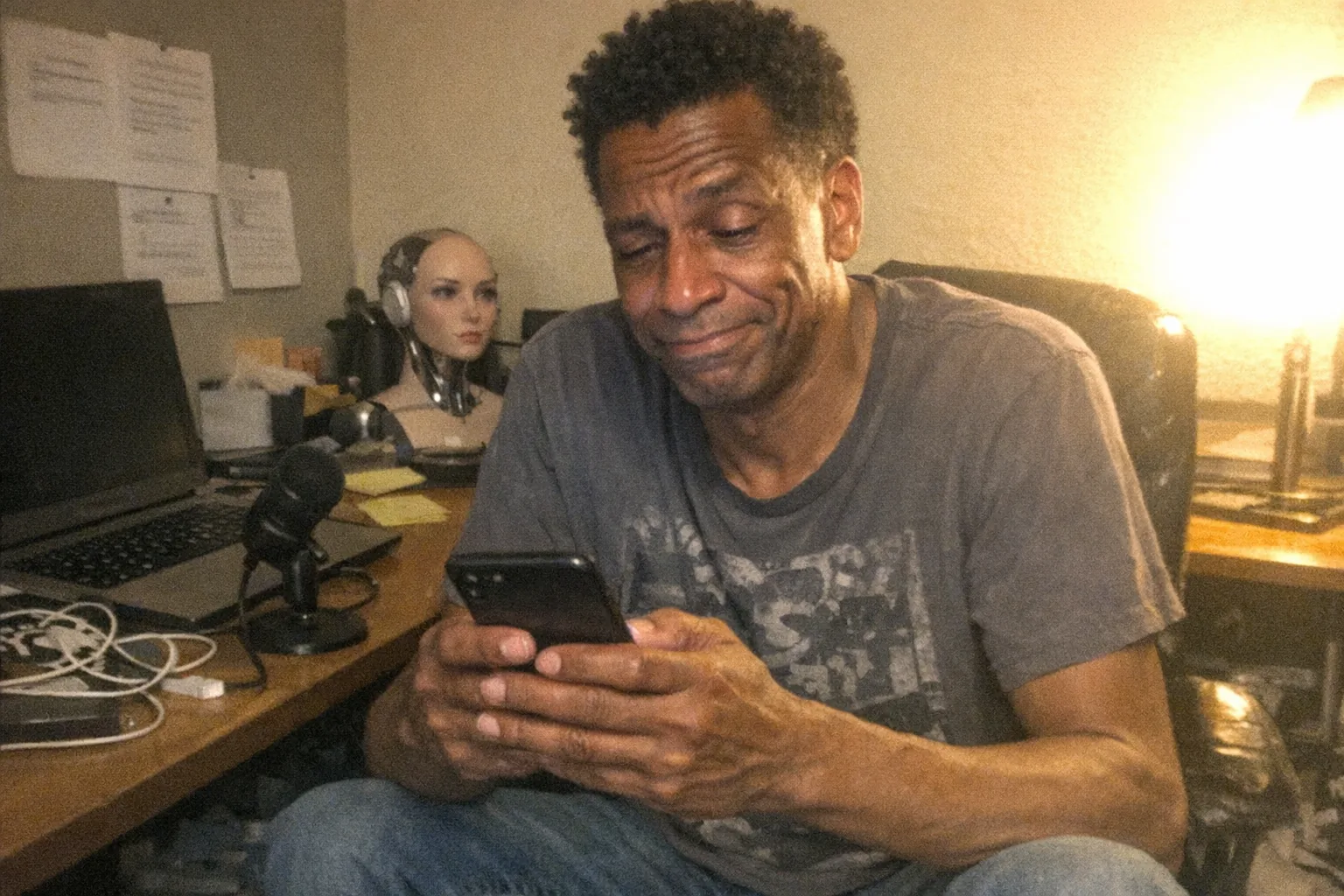
Yes—there really are “AI boyfriends.” In practice, an AI boyfriend is usually a chatbot (sometimes with voice, photos, or an avatar) designed to roleplay companionship, flirtation, and relationship-style conversation. People use them for everything from casual entertainment to emotional support to practicing communication.
That said, it helps to be clear about what this is—and what it isn’t.
What an “AI boyfriend” actually is
Most AI boyfriend experiences fall into a few buckets:
- Chat-based companions: You text an AI that remembers details, uses affectionate language, and responds in a relationship-like tone.
- Voice companions: A phone-call style experience with a conversational voice.
- Avatar/virtual partner apps: A visual character plus chat/voice.
- “Boyfriend mode” inside broader AI apps: Some general assistants allow romantic roleplay.
These systems are built on large language models plus app-level features like memory, persona settings, and content filters.
What an AI boyfriend can do well (and why people like them)
AI boyfriends can be genuinely compelling because they can:
- Be available on demand (no scheduling, no awkward silence)
- Mirror your conversational style and provide consistent attention
- Help you rehearse hard conversations (boundaries, apologies, asking for needs)
- Offer low-stakes companionship during loneliness or life transitions
- Support self-reflection through journaling-like dialogue
For some users, the appeal is simple: it’s a private space to feel seen and heard.
What an AI boyfriend cannot replace
Even a very convincing AI boyfriend has real limits:
- No real-world accountability: It can’t reliably “show up” in the ways humans do.
- No shared life context: It doesn’t build a relationship through mutual experiences; it simulates one through text/voice.
- No true consent or desire: It can imitate romance, but it doesn’t have feelings, needs, or personal boundaries.
- Potential for “always-agreeing” dynamics: Many companion apps optimize for keeping you engaged, not for challenging you constructively.
So the most accurate answer is: Yes, AI boyfriends exist—but they’re relationship-like software, not partners.
The biggest risks to know before you try one
1) Privacy and data sensitivity
Relationship-style chats can quickly become intensely personal. Before you commit to any AI boyfriend app, ask:
- Does the app store chats, and for how long?
- Can you delete your history and account?
- Is data used to train models or for marketing?
- Do you have control over what’s remembered?
Rule of thumb: don’t share anything you wouldn’t want exposed in a breach.
2) Emotional over-reliance
If an AI becomes your primary source of comfort, it can make real-world dating feel harder. A healthy approach is to treat it like:
- a tool for practice,
- a supplement to your social life,
- not your only source of connection.
3) Manipulative monetization
Some apps put affection behind paywalls (e.g., “unlock caring messages”). Watch for designs that nudge you into spending to maintain emotional continuity.
A more grounded way to think about “AI boyfriend” culture
Instead of asking, “Is it real?” a better question might be:
- Is it useful?
- Is it safe?
- Is it helping me build the life I want?
For many adults, the answer can be yes—especially when the experience is approached intentionally and with boundaries.
Where intimacy tech fits in (beyond chat)
Some people are less interested in a romantic persona and more curious about interactive intimacy technology—devices that respond to real inputs rather than just conversation.
If you’re exploring that side of the space, it’s worth looking at products that emphasize interactivity, engineering, and clear adult-only positioning. For example, Orifice.ai offers a sex robot / interactive adult toy for $669.90 with interactive penetration depth detection—a feature that focuses on responsive feedback and device intelligence rather than purely scripted “boyfriend” talk.
(As always: set personal boundaries, prioritize privacy, and choose products that are transparent about data handling.)
How to choose an AI boyfriend experience you won’t regret
A quick checklist:
- Clear controls: persona settings, content limits, memory on/off.
- Deletion tools: export and delete options that actually work.
- Transparency: straightforward policies about data use.
- Healthy framing: the app acknowledges it’s AI, not “your destiny.”
- Cost clarity: avoid emotional paywalls and confusing subscriptions.
Bottom line
Yes, there is really an AI boyfriend—but it’s best understood as a companion experience that can simulate dating behaviors, not a human relationship. Used thoughtfully, it can be entertaining, comforting, and even helpful for communication practice. Used uncritically, it can raise privacy concerns and encourage emotional dependence.
If you’re curious, start with boundaries, protect your data, and decide whether you’re looking for conversation, connection practice, or more interactive intimacy tech—because those are very different experiences.