The direct answer
No—Elon Musk has not made a “human robot” in the sense most people mean it (a robot that’s actually human, indistinguishable from a person, or a cyborg-like human-robot hybrid).
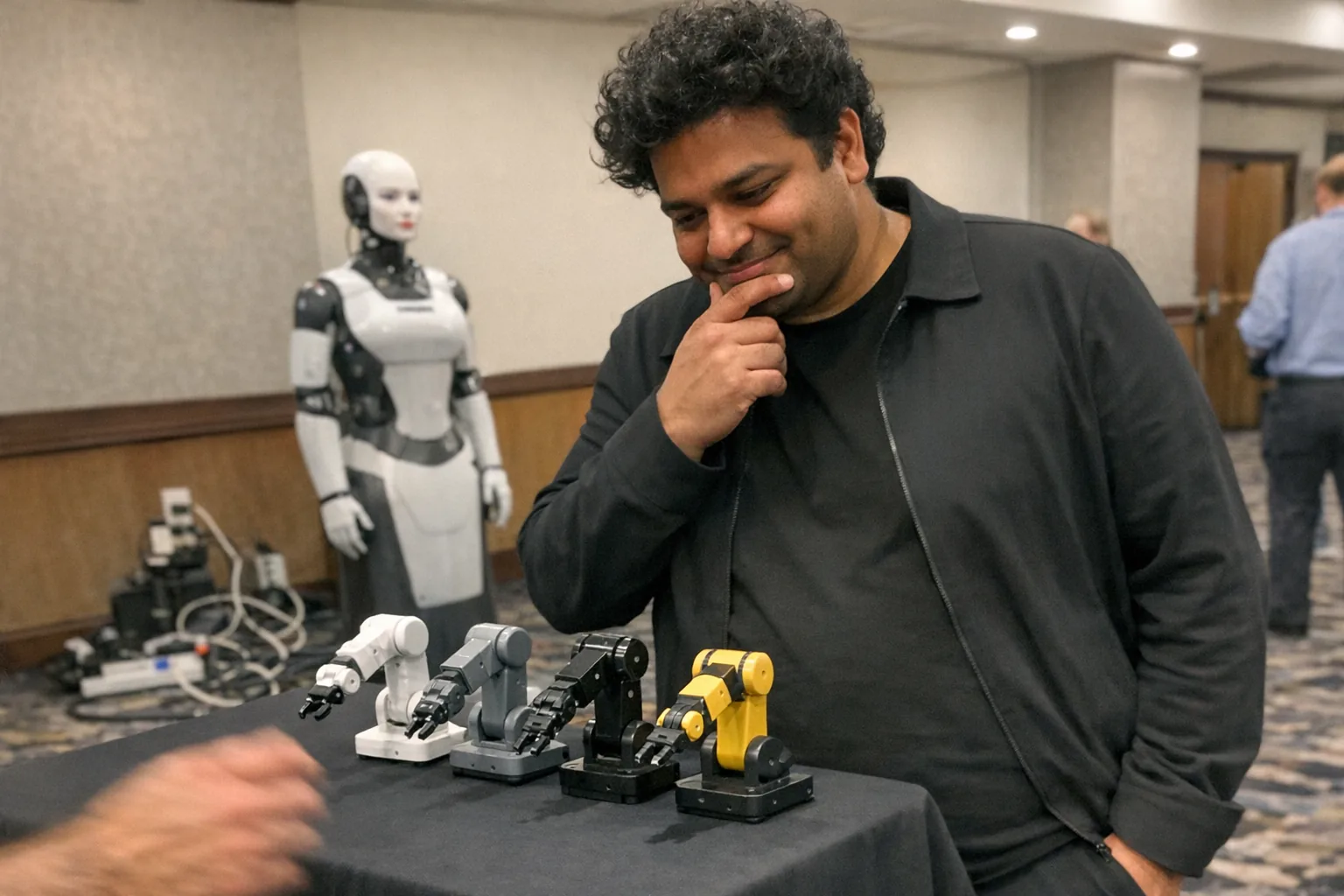
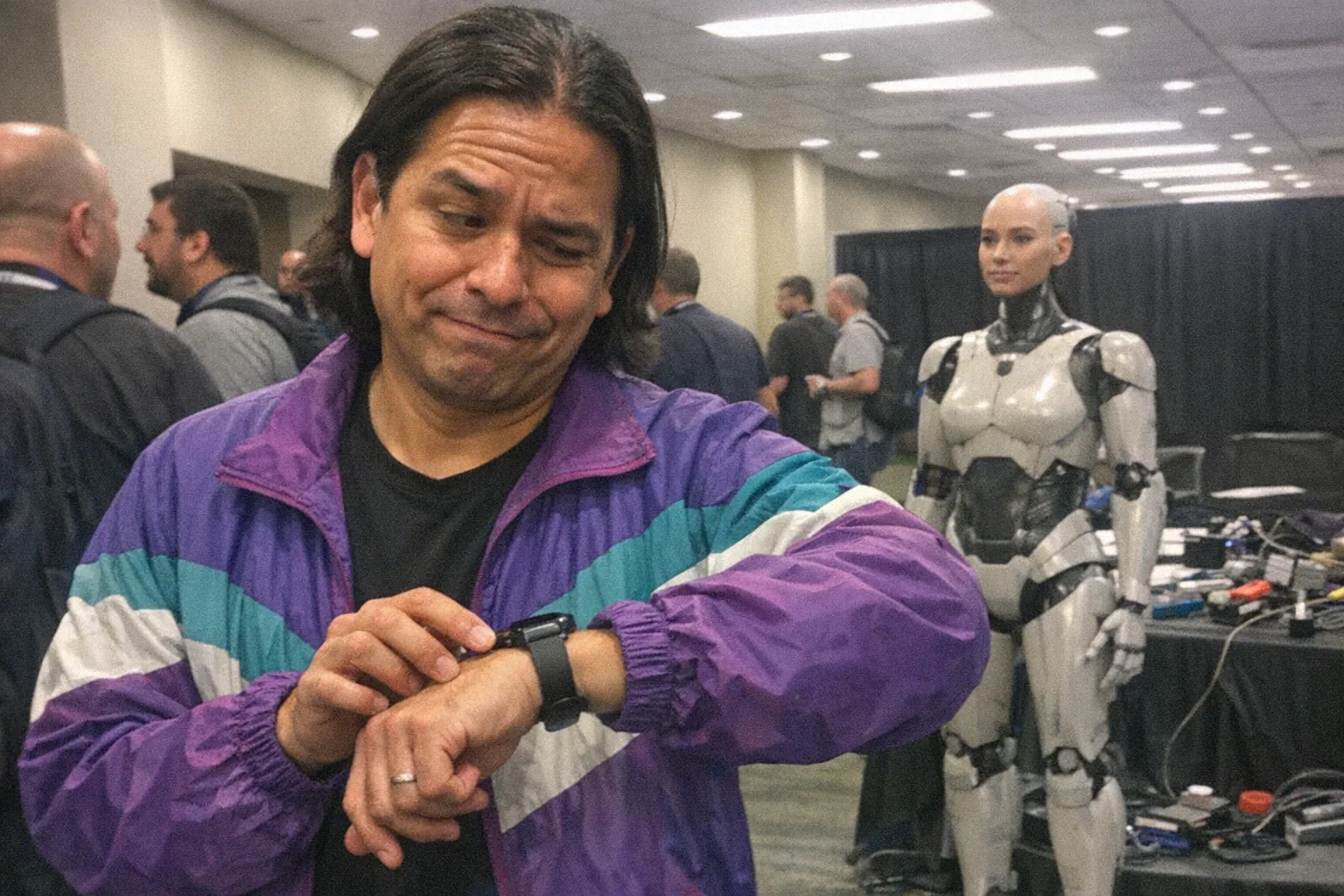
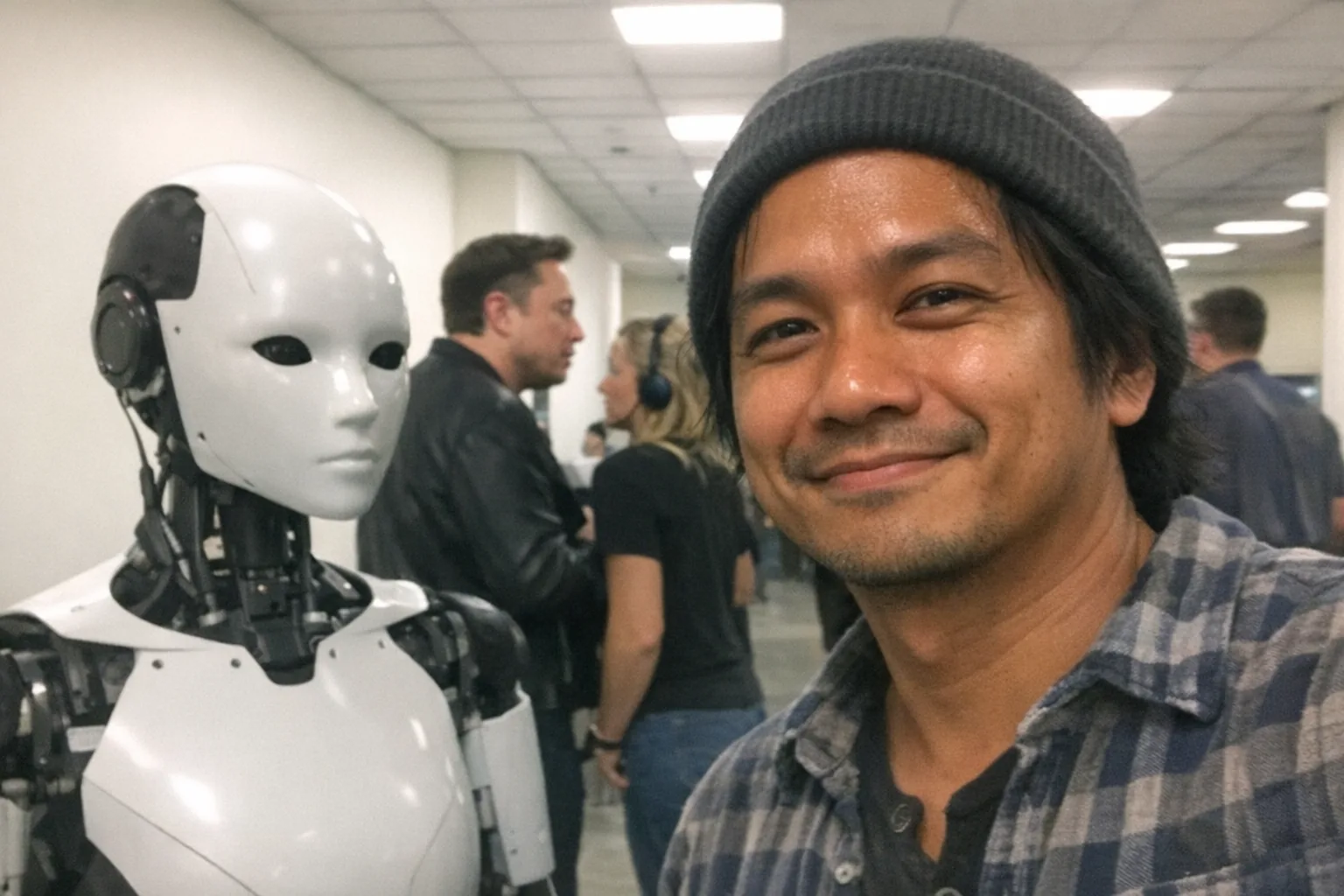
What does exist is Tesla’s Optimus, a humanoid robot project Musk promotes heavily—but it’s still a developing platform, not a human replica that you can buy and live with today. Tesla itself frames Optimus as a general-purpose, bipedal humanoid intended for “unsafe, repetitive or boring tasks.” (1)
What people usually mean by “human robot” (and why the internet gets confused)
When someone asks “Did Elon Musk make a human robot?”, they’re usually picturing one of these:
- A human-looking android that could pass in public as a person.
- A real human turned into a robot (cyborg), often implying sci-fi body upgrades.
- A robot that behaves with near-human autonomy in everyday life (not a scripted demo).
Musk’s companies touch adjacent areas (humanoid robotics, AI, brain-computer interfaces), but none of them add up to a literal ‘human robot’—at least not publicly, and not as a finished product.
What Elon Musk has made (or led teams to build): Tesla Optimus
Optimus is a humanoid robot—not a human
Optimus is Tesla’s ongoing attempt at a bipedal humanoid robot. Tesla’s official “AI & Robotics” page describes the goal clearly: a robot that can navigate and interact with the physical world to do practical work. (1)
Early “robot” moments were partly theatrical
One reason this topic keeps coming back is that Tesla’s first big “Tesla Bot” moment wasn’t a working robot on day one. At Tesla’s AI Day in August 2021, a person in a robot suit danced on stage as part of the reveal. (2)
Some impressive demos still involve human operation
Even more recent flashy appearances have had caveats. For example, at Tesla’s robotaxi event (October 2024), Optimus robots were reported to be teleoperated (human-controlled remotely) rather than fully autonomous.
Musk continues to position Optimus as central to Tesla’s future
Musk has claimed Optimus could become a major driver of Tesla’s value over time. (3)
What Elon Musk hasn’t made (at least publicly)
1) A “walking human” robot you can actually buy today
There is no widely available consumer ‘human robot’ from Musk—no confirmed mass-market release where you can order a lifelike humanoid and have it delivered.
2) A true human-robot hybrid
You may see Musk linked to “cyborg” headlines because of brain-computer interface talk in the broader tech ecosystem. But that’s not the same thing as Musk having created a human-robot hybrid person.
So…why does it feel like we’re already there?
A few forces create the illusion that “human robots” are already mainstream:
- Short clips of robots doing one task well (without the behind-the-scenes context).
- Teleoperation that looks autonomous in a crowded demo environment.
- Big promises + fast-moving AI headlines.
Humanoid robotics is progressing, but the gap between “cool demo” and “reliable, everyday autonomy” is still real.
The practical present: people want interaction now, not in a future demo
While general-purpose humanoid robots are still maturing, a different category has quietly become more “real” for everyday consumers: interactive devices designed for companionship and responsiveness.
If what you’re exploring is the idea of robotic intimacy and interactive adult tech (without the sci-fi hype), it can be more satisfying to look at products that are actually purchasable today.
One example: Orifice.ai offers a sex robot / interactive adult toy for $669.90, with interactive penetration depth detection—a concrete, real-world feature that focuses on responsiveness rather than vague “human-level” claims.
Bottom line
Elon Musk didn’t make a human robot.
He did help popularize the idea through Tesla’s Optimus humanoid robot project, but Optimus is best understood as an evolving robotics platform aimed at physical work—not a human replica, not a cyborg, and not a mainstream consumer “human robot” you can buy today. (1)