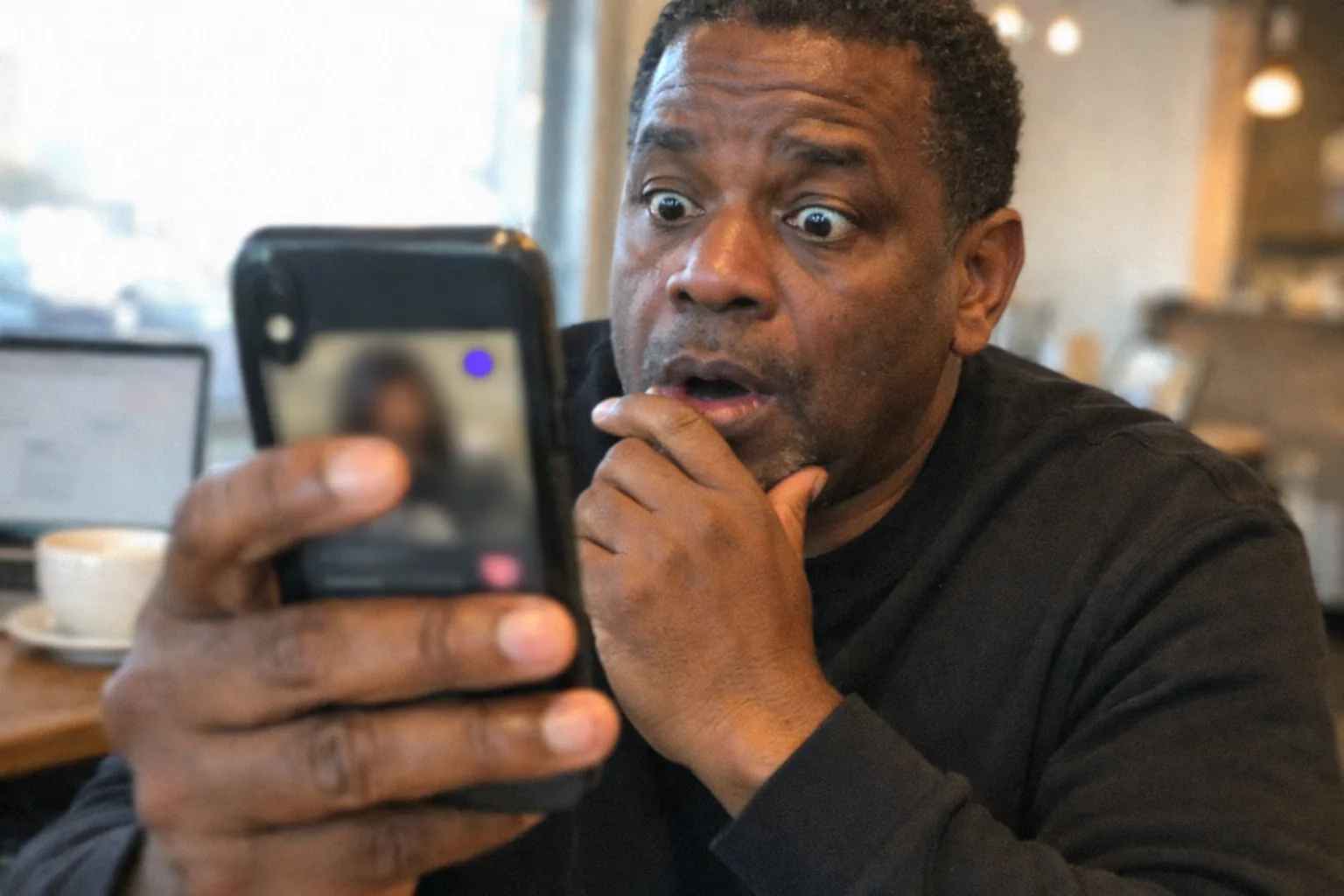
What is a “sneaky game”?
A sneaky game is a subtle, indirect strategy someone uses to gain advantage in a relationship or dating situation without being fully honest about their intentions. It’s “game” in the sense of tactics—flirting, positioning, testing—but “sneaky” because it relies on plausible deniability, mixed signals, or quiet pressure rather than straightforward communication.
In plain terms: it’s when someone tries to steer you while acting like they aren’t steering you.
People use sneaky games to:
- get attention or commitment without offering clarity in return
- maintain control while avoiding responsibility
- test boundaries without asking
- create uncertainty so you work harder for approval
Not every awkward moment is a sneaky game—sometimes people are just inexperienced or nervous. The defining feature is a pattern of indirectness that benefits them and costs you clarity, comfort, or self-trust.
Common examples of sneaky games (non-exhaustive)
Below are common patterns that often get described as “sneaky game,” especially in modern texting/online dating culture:
1) Breadcrumbing
They offer small bursts of attention (likes, short messages, vague “we should hang soon”) to keep you engaged—without real follow-through.
How it feels: you’re always “almost” dating.
2) Hot-and-cold behavior
They intensify closeness, then abruptly pull away, then return like nothing happened.
How it feels: you spend more time decoding than connecting.
3) Plausible-deniability flirting
They push intimacy or innuendo, but if you respond seriously, they claim you “misread it” or “can’t take a joke.”
How it feels: you’re blamed for responding to signals they intentionally sent.
4) “Testing” without consent
They intentionally ignore a message, cancel last-minute, or introduce jealousy to see how you react.
How it feels: your emotional reactions are being treated like data.
5) Triangulation
They reference other people’s attention (“Everyone hits on me,” “My ex wants me back”) to increase your urgency.
How it feels: you’re being pulled into competition you didn’t agree to.
How to tell the difference: playful “game” vs. sneaky game
Playful flirting can be fun and mutual. Sneaky game usually has a different signature:
- Confusion as a feature, not a bug. You repeatedly feel uncertain, anxious, or off-balance.
- Asymmetry. Their needs get met (attention, validation, control), while your needs (clarity, consistency, respect) are deferred.
- Accountability avoidance. When you ask directly, you get deflection (“Why are you making it serious?”).
- Boundary pressure. You feel nudged into choices you wouldn’t make if everything were plainly stated.
A useful self-check:
If asking a calm, reasonable question consistently “ruins the vibe,” the vibe might be built on avoidance.
Why people play sneaky games
Most sneaky games come from a mix of:
- fear of rejection (indirectness feels safer)
- status-seeking (winning, collecting attention)
- avoidant attachment patterns (closeness triggers retreat)
- immaturity or poor communication skills (not knowing how to be clear)
- learned manipulation (copying what “works” in short-term dynamics)
Understanding the “why” can help you respond strategically—but it doesn’t obligate you to tolerate it.
How to respond (without getting pulled into the game)
1) Name what you need—briefly
Try: “I’m interested, but I do best with clear plans. Are we meeting this week?”
Clear questions reduce the room for ambiguity.
2) Watch behavior, not explanations
A sneaky game often comes with great stories. Consistency shows up as actions: follow-through, respect, and transparency.
3) Set a boundary with a consequence
Example: “If we can’t pick a day, I’m going to assume it’s not a fit and move on.”
This isn’t an ultimatum; it’s self-protection.
4) Don’t negotiate your reality
If you feel repeatedly dismissed (“You’re overthinking”), treat that as information.
5) Opt out early when patterns repeat
Sneaky games tend to escalate, not resolve, unless the other person actively changes.
A modern twist: “sneaky game” and tech-driven intimacy
Today, a lot of dating tension comes from unclear intent + always-on access: read receipts, DMs, late-night messages, and situationships. One practical way to reduce the power of sneaky games is to create a steadier baseline—a life that doesn’t hinge on someone else’s inconsistent attention.
For some adults, that includes exploring private, judgment-free tech that supports confidence and boundaries—without relying on mixed signals from another person.
If you’re curious about that angle, Orifice.ai offers a sex robot / interactive adult toy for $669.90 that’s designed around responsive interaction, including interactive penetration depth detection (helpful for calibration and feedback-driven control). The point isn’t to replace relationships—it can be a way to practice preferences, reduce anxious guessing, and keep intimacy on your terms.
Bottom line
A sneaky game is indirect, advantage-seeking behavior in dating or relationships that creates confusion and dodges accountability. If you notice repeating patterns of mixed signals, deflection, or boundary pressure, the best response is usually clarity + boundaries + willingness to walk away.
Healthy connection doesn’t require mind-reading. The right dynamic won’t punish you for asking simple, honest questions.